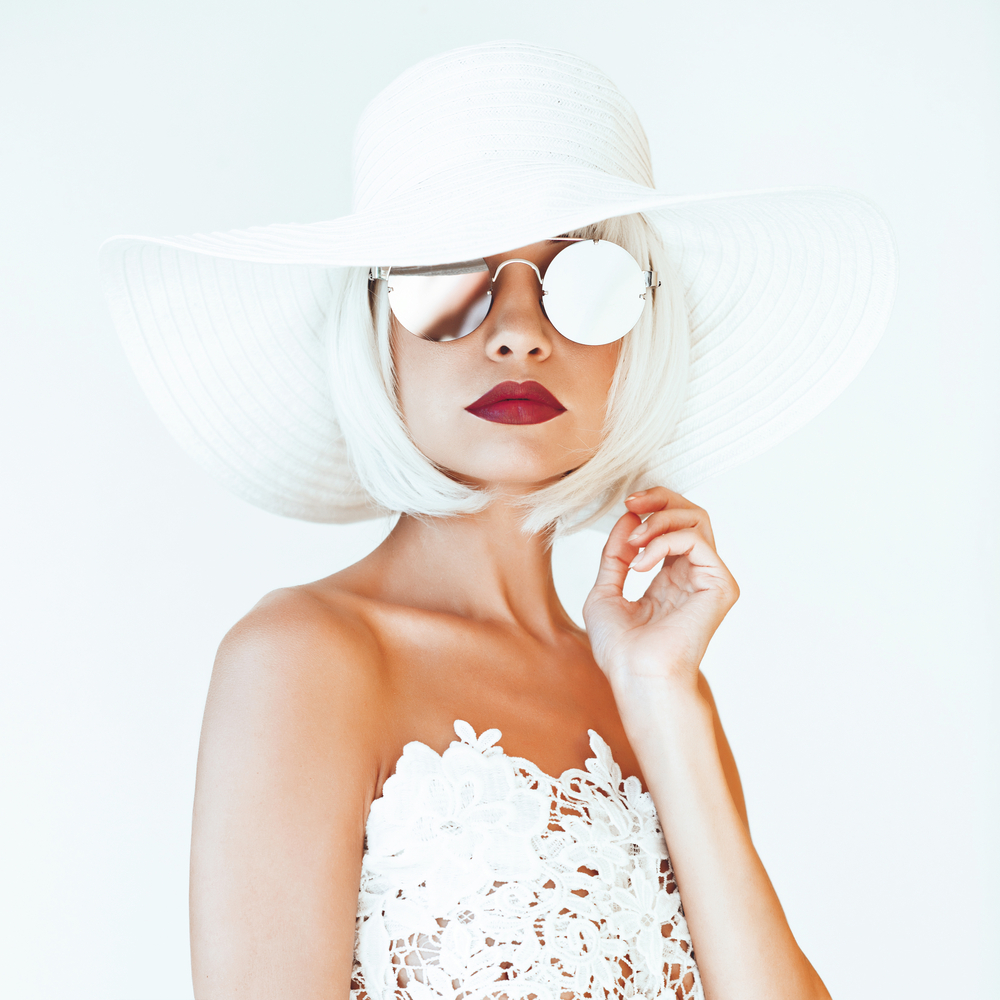
Photography is a form of art that allows us to capture moments, emotions, and stories in a single frame. However, when it comes to fashion and beauty photography, capturing the essence and beauty of a model can be a true challenge. It requires a combination of technical skill, creativity, and an understanding of how to make a model shine in front of the lens. In this article, we will explore the art of modeling (or modelling) and how photographers create captivating photoshoots.
The Power of a Model
A model is the backbone of any fashion or beauty photoshoot. They have the ability to bring life and personality to a photograph, transforming a simple image into a work of art. A skilled model knows how to convey emotions through their poses and expressions, capturing the attention of the viewer.
Photographers understand the importance of selecting the right model for a particular project. They look for individuals who possess a unique look, versatility in their poses, and the ability to adapt to different concepts and styles. The right model can make all the difference in creating a captivating photoshoot.
Creating a Concept
Before a photoshoot takes place, photographers work closely with the creative team and clients to develop a concept. This involves brainstorming ideas, discussing themes, and determining the overall mood and style of the shoot. The concept sets the foundation for the entire photoshoot, guiding decisions on location, wardrobe, and lighting.
A skilled photographer knows how to translate a concept into visual storytelling. They understand the importance of conveying the intended message through the model's poses, expressions, and interactions with the environment. Whether it's a high fashion editorial or a beauty campaign, the concept becomes the driving force behind every decision made during the shoot.
Pose Like a Pro
Posing is a crucial element in modelling (or modeling) , and it's the photographer's responsibility to guide the model and bring out their best. Experienced photographers have an arsenal of poses in their toolkit and know how to direct the model to achieve the desired aesthetic.
The right pose can create a sense of movement, strength, or vulnerability in a photo. It can express confidence, elegance, or playfulness. Posing can emphasize the model's best features and create a cohesive visual narrative. A photographer who understands the art of posing can elevate the overall quality of the photoshoot.
Lighting: A Model's Best Friend
Lighting is a make-or-break element in photography, and it plays a pivotal role in showcasing a model's features and enhancing their natural beauty. Photographers manipulate light to sculpt the model's face, emphasize their bone structure, and create mood and drama in the images.
Whether it's natural light or artificial studio lighting, photographers use various techniques to flatter the model and create a captivating image. They experiment with different angles, modifiers, and intensities of light to achieve their desired effect. Understanding the interplay between light and shadows is essential in creating stunning photos that showcase the model's unique beauty.
The Role of Styling and Makeup
A successful photoshoot is the result of a collaborative effort between photographers, models, stylists, and makeup artists. The styling and makeup play a crucial role in bringing the concept to life and enhancing the model's appearance.
The choice of wardrobe, accessories, and makeup should align with the concept and amplify the model's presence in the frame. A skilled stylist can create looks that showcase the model's versatility while reinforcing the overall aesthetic. Additionally, makeup artists use their expertise to enhance the model's features and bring out their best qualities.
Frequently Asked Questions
1. How do photographers find models for their photoshoots?
Photographers often collaborate with modeling (by models) agencies, attend casting calls, or connect with models through social media platforms. Additionally, they may reach out to aspiring models directly or work with professionals in the industry to find suitable talent for their projects.
2. What qualities should a model possess?
Apart from physical attributes, a model should have versatility, adaptability, and the ability to express emotions through their poses and facial expressions. Excellent communication skills, professionalism, and a strong work ethic are also highly valued in the modeling industry.
3. How can a model prepare for a photoshoot?
Prior to the photoshoot, a model should ensure they are well-rested and hydrated. They should practice different poses and expressions in front of a mirror to build confidence and versatility. Familiarizing themselves with the concept and discussing ideas with the photographer can also help them feel more prepared.
4. What role does post-processing play in creating captivating photos?
Post-processing is the final step in the creative process, where photographers enhance the images to achieve the desired look and feel. It allows them to fine-tune colors, contrast, and details, adding the final touch to bring out the model's beauty and the overall concept.
5. Can anyone become a model?
While the modeling industry has certain beauty standards, there is room for diversity and inclusivity. Different niches, such as plus-size, mature, or niche markets, offer opportunities for individuals with specific looks. It's important to remember that confidence, professionalism, and the ability to work well with others are qualities that can greatly contribute to a successful modelling career.
Modeling is an art form that requires collaboration, skill, and creativity. Photographers play a crucial role in capturing the essence and beauty of a model, translating concepts into captivating photoshoots. By understanding the fundamentals of posing, lighting, and styling, photographers can create stunning visual narratives that celebrate the art of modeling.
Other useful resources
- https://en.wikipedia.org/wiki/Modeling_agency
- https://en.wikipedia.org/wiki/Category:Models_by_modeling_agency